PCB Boards
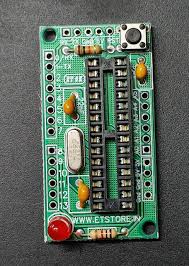
Printed circuit boards (PCB) are a critical part of almost all electronic devices. Unfortunately, many of these devices end up as waste. This e-waste has the potential to contaminate the earth and pollute water bodies. As such, it is important that we take the proper measures to dispose of them properly. One way to do this is through the use of a pcb shredder. Another way is to recycle the materials that are used in a PCB. However, recycling PCBs is difficult. This is because the board is comprised of different materials, such as fiberglass reinforced epoxy composites and electronic components. Attempting to separate these materials is time consuming and requires complex equipment.
In addition, the physical recovery of metals and other materials from a PCB requires lots of energy. The intense heat needed to change the chemical and physical properties of the materials can also pollute the environment with toxic dust or smoke. Furthermore, the energy used to power the extraction process comes from fossil fuels, which are not clean. This can lead to environmental damage even if the extraction process is done in an environmentally-friendly facility.
The most common method to recycle a pcb board involves using a pyrometallurgical process. This is a process that involves melting and separating the various metals from the composite material. However, it is not very efficient. In fact, it can only produce a fraction of the precious metals that are contained in a bare PCB. Additionally, the FR4 epoxy glass laminate that makes up the bulk of a bare PCB cannot be recycled back to its constituents. Therefore, it has little value.
Can PCB Boards Be Recycled?
A recent study by researchers at the University of Washington has come up with a new way to recycle a pcb board. They used a solvent that transforms a cutting-edge class of sustainable polymers into a jelly-like substance, from which they can pluck the solid components. The new PCBs can be recycled repeatedly, with negligible degradation.
As more and more people start to use advanced technologies, there is a growing need for effective ways to dispose of e-waste. Currently, there are several recycling methods available, but they all have some flaws. One such method is to smelt and recycle the gold, silver and other precious metals contained in a populated PCB. However, this is very time consuming and can be expensive. In addition, the resulting products are not always useful.
Other methods to recycle a pcb board include the mechanical and chemical recycling processes. The latter includes the use of a pcb separator to separate the ferromagnetic and non-ferromagnetic parts. This can help to reduce the number of waste reprocesses. However, this is a very labor-intensive process and the finished products are dubious in both quality and aesthetics. In addition, the chemical recycling process can also pollute the environment with toxic dust and gas particles. A more efficient and eco-friendly option is to use biotechnology. Microbes can bind metal ions found in the environment to compounds that are easier to extract. This will reduce the need for smelting and other energy-intensive operations.