
PCB rigid flex differ from traditional PCBs
PCB rigid flex is a printed circuit board that incorporates flexible and rigid substrates, allowing it to provide both strength and dynamic adaptability. Rigid sections are used to carry components, while flex areas serve as interconnection paths. They also allow for additional circuitry to be integrated through the flex areas. This helps to simplify the design process, saving space and cost. In addition, a rigid-flex circuit board can be more aesthetically pleasing than traditional circuit boards, especially in applications where aesthetics are important to consumers or investors.
While rigid flex is not suitable for all applications, it has many benefits that make it ideal for critical electronic systems like medical devices, aerospace equipment and mobile phones. It saves space, reduces weight and can withstand harsh environments. However, the combination of flexibility and rigidity requires special design considerations for maximum performance. Low-quality rigid flex circuits can cause failure in the final application, leaving the manufacturer, designer and users vulnerable to liability issues, loss of credibility and increased downtime and maintenance costs.
High-quality pcb rigid flex are designed for the specific application and environment they will be subject to. This includes assessing the mechanical stresses and environmental conditions that will be encountered during operation, ensuring they are capable of meeting and exceeding performance requirements, and providing maximum longevity. This is accomplished by incorporating stiffeners in areas that require rigidity, using materials with high flexural strength and choosing a construction that can withstand vibration.
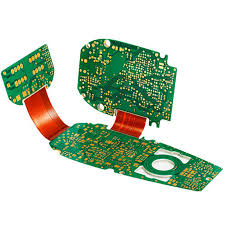
How does PCB rigid flex differ from traditional PCBs?
Creating high-quality rigid flex PCBs is complex, which is why it’s important to work with a reputable supplier. A provider with the right experience and tools will ensure your rigid-flex design meets all requirements and is able to be successfully manufactured.
For example, a rigid-flex PCB manufacturer should be capable of addressing the unique challenges of designing for dynamic flexing and thermal issues, such as expansion and contraction in both the rigid and flex sections. This is important because different materials have varying thermal expansion rates, which can lead to reliability issues. Additionally, a rigid-flex PCB should be able to maintain signal integrity while controlling electromagnetic interference (EMI) in the flexible sections.
A reputable rigid-flex PCB manufacturer will also have the capability to offer services for specialized designs that are subject to more rigorous standards and testing. This can include evaluating the electrical and mechanical performance of the PCB under the specific stress conditions it will be subjected to, as well as conducting environmental testing and quality assurance.
Rigid flex is challenging to design, but the right PCB design software can help. Altium Designer integrates all the essential tools you need for working with flex and rigid-flex PCBs into a single, unified rules-based design platform that is adaptable to any circuit board type. This means you can leverage your existing PCB layout and routing tools for a rigid-flex design, while also getting the best results from a design that is robust enough to withstand repeated bending.