
cost considerations for using printed wiring assembly
When considering the utilization of printed wiring assemblies (PWAs), cost is a significant factor that must be carefully evaluated. From initial design and prototyping to manufacturing and assembly, every stage of the PWA lifecycle involves various cost considerations that can impact the overall project budget. Understanding these cost factors is essential for making informed decisions and optimizing the cost-effectiveness of printed wiring assembly usage.
One of the primary cost considerations for using printed wiring assemblies is the initial design and development phase. Designing a PWA requires expertise in electrical engineering, PCB layout, and component selection, which can incur significant design costs. Design complexity, the number of layers, and the sophistication of features such as controlled impedance routing and high-speed signal integrity can all influence the design costs. Additionally, investment in design tools and software licenses may be necessary to facilitate the design process.
Prototyping is another cost consideration when using printed wiring assembly. Before full-scale production, prototypes are typically developed and tested to validate the design and identify any potential issues. Prototyping costs include PCB fabrication, component procurement, assembly labor, and testing equipment. The number of prototypes required and the complexity of testing procedures can significantly impact prototyping costs. However, investing in thorough prototyping is crucial for identifying and addressing design flaws early in the development process, ultimately reducing the risk of costly errors during mass production.
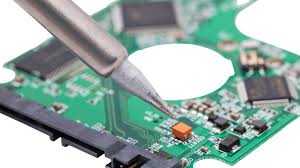
What are the cost considerations for using printed wiring assembly?
Manufacturing costs are a significant consideration when using printed wiring assemblies. The cost of PCB fabrication, component procurement, assembly labor, and overhead expenses all contribute to the total manufacturing cost. Factors such as batch size, production volume, and manufacturing location can influence manufacturing costs. Offshore manufacturing may offer lower labor costs but can introduce additional logistics expenses and lead times. Conversely, local manufacturing may offer faster turnaround times and easier communication but may come with higher labor rates. Balancing these factors is essential for optimizing manufacturing costs while ensuring quality and reliability.
Component costs play a crucial role in the overall cost of using printed wiring assemblies. The selection of components, including integrated circuits, passive components, connectors, and other electronic parts, can significantly impact the total bill of materials (BOM) cost. Designers must carefully evaluate component specifications, performance requirements, and availability to strike a balance between cost and quality. Additionally, leveraging economies of scale through bulk purchasing and strategic supplier partnerships can help reduce component costs.
Testing and quality assurance are essential cost considerations for using printed wiring assemblies. Comprehensive testing is necessary to ensure the functionality, reliability, and compliance of the assembled PWAs with industry standards and customer requirements. Testing costs include equipment investment, labor expenses, and test fixture development. Automated testing procedures can improve efficiency and reduce labor costs, but initial setup costs may be higher. Investing in quality assurance measures is essential for minimizing the risk of defects, returns, and warranty claims, ultimately reducing long-term costs associated with product failures.
In conclusion, cost considerations are a critical aspect of using printed wiring assemblies throughout the design, prototyping, manufacturing, and testing stages. By carefully evaluating and optimizing costs at each stage of the PWA lifecycle, manufacturers can achieve cost-effective production while maintaining quality, reliability, and compliance with customer requirements. Effective cost management strategies, including design optimization, prototyping, manufacturing efficiency, component sourcing, and quality assurance, are essential for maximizing the value of printed wiring assembly usage.