
industries use PCB prototypes
A PCB prototype plays a pivotal role in the development of electronic devices across various industries. A Printed Circuit Board (PCB) serves as the backbone of many modern electronic products, and the prototype stage is crucial for testing designs, functionality, and ensuring that the final product will meet the necessary specifications. From consumer electronics to medical devices, several industries rely heavily on PCB prototypes to create functional, high-performance products.
The consumer electronics industry is one of the largest sectors that utilize PCB prototypes. Smartphones, tablets, computers, and wearables all depend on complex PCBs to ensure proper functionality. Before mass production, manufacturers use PCB prototypes to test the electronic circuits, ensure that components fit within the design constraints, and check for any possible design flaws. These prototypes allow engineers to make adjustments to the layout, material selection, and connectivity, ensuring that the final product functions as intended and meets performance expectations. The consumer electronics industry, driven by rapid technological advancements, demands precise and reliable PCBs, making the prototype stage essential for product development.
The automotive industry also makes extensive use of PCB prototypes. Modern vehicles incorporate numerous electronic systems, including infotainment systems, sensors, control units, and safety features like airbags and anti-lock braking systems (ABS). Engineers must ensure these complex systems work seamlessly, which is where PCB prototypes come into play. Testing and refining the pcb prototype help identify potential issues, such as electrical interference or power management inefficiencies, before the components are used in mass-produced vehicles. As the automotive industry moves toward electric and autonomous vehicles, the need for reliable and innovative PCBs continues to grow, making prototypes a vital part of the design and testing process.
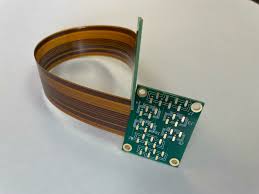
What industries use PCB prototypes?
In the medical field, PCB prototypes are critical in the development of medical devices and equipment. From diagnostic machines like MRI and CT scanners to wearable health monitors, medical devices rely on precise electronic circuits to function accurately and safely. Since medical devices must adhere to strict regulatory standards and ensure patient safety, the use of PCB prototypes is indispensable for testing electronic systems before mass production. Engineers and designers use prototypes to evaluate performance, ensure compliance with industry standards, and detect any potential issues that could arise during use. Prototyping also allows for quicker iterations of design changes, which is essential in a field where technological advancements and patient needs evolve rapidly.
The aerospace and defense industries also rely on PCB prototypes to develop electronic systems that are both highly reliable and capable of performing under extreme conditions. Satellites, radar systems, communication devices, and military hardware all require specialized PCBs that can withstand harsh environments and offer precise functionality. PCB prototypes are used to test the performance of circuits in real-world conditions, ensuring that the designs meet the rigorous demands of these industries. As technology advances, aerospace and defense companies are increasingly adopting more sophisticated electronic systems, making prototypes an integral part of their development process.
The telecommunications industry is another sector where PCB prototypes are essential. Communication devices such as routers, antennas, signal processors, and base stations all rely on PCBs for connectivity and performance. Prototypes are used in the development of new models to test the designs, verify signal integrity, and optimize the board layout. With the advent of 5G and other high-speed communication technologies, the need for precise and efficient PCBs has only increased, making prototyping a key step in the innovation of new communication devices.
In conclusion, PCB prototypes are indispensable across a wide range of industries. Whether it’s consumer electronics, automotive, medical, aerospace, defense, or telecommunications, PCB prototypes ensure that new electronic products meet performance, reliability, and safety standards before they enter mass production. The use of prototypes allows for faster, more efficient product development, minimizing risks and ensuring that products are ready for market with the best possible design and functionality.