
Prevent Solder Shorts During SMT Assembly
Solder shorts are one of the most common defects in surface-mount PCBs assembled using soldering processes like reflow. They can cause erratic circuit behavior and lead to poor performance in the field. Detecting and eliminating these defects early in the process is crucial for quality assurance. Various inline and off-line inspection techniques are available to identify and eliminate these problems. These methods vary in their effectiveness and can be selected based on defect criticality, volume and cost considerations.
Solder shorts are a type of failure that occurs when there is an unintended electrical connection between two conductors on the printed circuit board (PCB). These defects can be caused by a variety of issues, including incorrect placement, solder paste printing, improper handling and environmental factors. They are a major problem for smt assembly and can be very difficult to identify and diagnose. The best way to avoid solder shorts is to ensure that the correct steps are followed during assembly.
Some steps that can be taken to prevent solder shorts include ensuring that the stencil thickness is appropriate and that pad dimensions are designed correctly. It is also important to ensure that the PCB preheat temperature is sufficiently high. This will help to reduce the risk of oxidation, which can cause solder shorts.
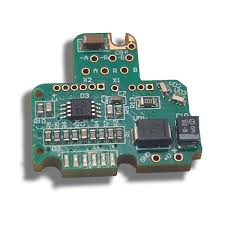
What Measures Are Taken to Prevent Solder Shorts During SMT Assembly?
Another important step is to ensure that the solder paste volume is properly matched to the pad size. Incorrect paste volumes can lead to solder bridging, tombstoning and other defects. It is also necessary to use a clean solder paste that is free of moisture, residues and contaminants. Finally, it is important to use a pick-and-place machine with high accuracy and precision.
Other measures that can be taken to prevent solder problems in SMT assembly are to use a preheated oven and to ensure that the reflow temperature is maintained at an optimal level. These steps can help to avoid solder bridges and other problems that may occur during reflow.
Following solder paste application, the placement of electronic components takes place. This step utilizes automated pick-and-place machines capable of positioning thousands of components per hour with remarkable accuracy. These machines use advanced vision systems to identify the orientation and position of components, ensuring they are placed correctly on the solder paste. SMT assembly supports a wide variety of component types, including resistors, capacitors, integrated circuits, and LEDs, which can be mounted on both sides of the PCB for maximum space utilization.
Solder shorts are an ongoing challenge in SMT assembly, especially as component pitches continue to decrease. These defects can be avoided by ensuring that the correct mounting pressure is used to set components on the PCB. Too much pressure can cause the pads to stretch or condense, which will create an unintended connection between conductors. On the other hand, too little pressure can result in the solder not forming an adequate seal between the pads and the component leads. The best way to avoid these issues is to ensure that the proper mounting pressure is used and to follow best practices for handling and storing solder paste. By taking these steps, it is possible to achieve a high-quality SMT product that will function reliably in the field.