
soldering in electronics assembly
Selective soldering is a specialized technique used in electronics assembly to solder specific components on a printed circuit board (PCB) without affecting other components or areas. This method is particularly useful for assemblies with mixed technology, where through-hole and surface mount components are present on the same board, or when components are located in close proximity to sensitive or heat-sensitive areas. Several techniques are employed for selective soldering, each offering unique advantages and capabilities.
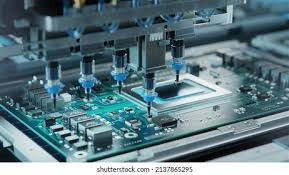
One common technique for selective soldering is robotic soldering, which uses programmable robotic arms equipped with soldering irons or solder dispensing heads to precisely apply solder to specific areas of the PCB. Robotic soldering systems can be programmed to follow intricate soldering paths and patterns, enabling precise control over solder application and minimizing the risk of solder bridges or defects. This method is suitable for applications requiring high precision and repeatability, such as soldering connectors, switches, and other through-hole components.
Selective wave soldering is another technique used for selective soldering in electronics assemblyy. Unlike traditional wave soldering, which immerses the entire PCB in a bath of molten solder, selective wave soldering uses a localized wave or nozzle to apply solder only to specific areas of the board. This method allows for precise control over solder application and minimizes the risk of solder bridging or contamination in adjacent areas. Selective wave soldering is ideal for assemblies with through-hole components located in close proximity to surface mount components or areas requiring protection from heat.
What techniques are used for selective soldering in electronics assembly?
Infrared (IR) soldering is a non-contact soldering technique that uses infrared radiation to heat and reflow solder paste or preforms on specific components or areas of the PCB. IR soldering systems typically employ focused IR heaters or lamps to deliver targeted heat to the solder joints, minimizing thermal stress on surrounding components and substrates. This method is suitable for assemblies with heat-sensitive components or substrates, as it allows for precise control over heating profiles and minimizes the risk of damage or distortion.
Laser soldering is an advanced technique used for selective soldering in electronics assembly, particularly for assemblies with high component density or complex geometries. Laser soldering systems use focused laser beams to locally heat and reflow solder on specific components or areas of the PCB. This method offers precise control over soldering parameters and enables soldering in tight spaces or on delicate components without direct contact. Laser soldering is ideal for applications requiring high precision, flexibility, and automation.
In addition to these techniques, selective soldering can also be achieved using specialized fixtures, masks, or shields to protect areas of the PCB from solder during the soldering process. These fixtures or shields are designed to block solder flow and prevent solder from adhering to designated areas of the board, allowing for selective soldering of specific components or features. This method is particularly useful for assemblies with complex layouts or irregularly shaped components.
In summary, selective soldering is a versatile technique used in electronics assembly to solder specific components or areas of a PCB without affecting other components or regions. Techniques such as robotic soldering, selective wave soldering, infrared soldering, and laser soldering offer precise control over solder application and heating profiles, enabling high-quality solder joints and minimizing the risk of defects or damage. By employing selective soldering techniques, manufacturers can achieve efficient and reliable soldering of mixed-technology assemblies while ensuring the integrity and performance of electronic devices.