Information Technology Security Handle Mobile Device Security
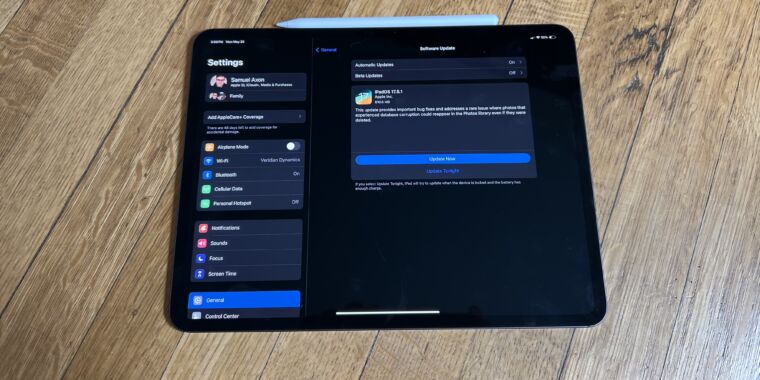
Mobile device security is a branch of information technology security that deals with portable devices like laptops, tablets and smartphones. These devices have the potential to carry data and information in ways that desktop computers cannot, which can make them attractive targets for hackers and other cybercriminals. Mobile device security is aimed at protecting information on these devices from such criminals through means like encryption, password protection and software updates.
Mobile devices offer the ability to access information from anywhere, which can be an asset for businesses. However, their portability comes with risks to enterprise security that can increase the amount of data stolen or lost. Mobile device security includes all of the techniques and tools that IT administrators use to protect the information on a company’s mobile devices, including encryption, passwords and software updates. It also includes the ability to remotely wipe data from a mobile device in case it gets lost or stolen.
The goals of mobile device security include confidentiality, integrity and availability. Confidentiality covers the need to ensure that only authorized users may view data, while integrity is about preventing changes from being made to data without authorization. Availability requires that data be available when it’s needed, which can include the need for hardware and software to be robust enough to prevent sites from going down.

How Does Information Technology Security Handle Mobile Device Security?
Among the threats to mobile device security are malware, spyware and hacking attacks. These attacks can be initiated by a criminal who gains unauthorized access to a device, then uses it to steal confidential information or disrupt business processes. Some of these attacks are passive, while others require human intervention or are based on a phishing scheme that tricks the victim into clicking on a malicious link or downloading malware.
To prevent these attacks, a company’s mobile device security plan should include policies for password protection, software upgrades and safe app use. It should also discourage the use of public WiFi networks and require VPN usage when connecting to the internet. It should also be possible for information technology security professionals to detect and respond to a mobile attack.
Penetration scanners can be used on mobile devices to find vulnerabilities in the software or hardware of a device. These services can help a company identify weaknesses in its mobile device security before an attacker finds them, allowing the organization to take corrective action. Learn more about Sprinto’s vulnerability management solution to see how it can make the difference in your organization’s cybersecurity success.
Training for employees on mobile device security best practices is also important. This can educate workers on the dangers of downloading malware or clicking on suspicious links, and it can reinforce security concepts that are difficult to remember for an individual user. The technological protections of mobile device security are strengthened by the education of workers on basic cybersecurity principles, such as password protection and avoiding public WiFi networks.