
pick and place in circuit board assembly
A jiggling component or loose screw can make a big difference in the performance of your printed circuit board (PCB). But even more important is ensuring that your components remain securely fastened to their pads on the PCB during the soldering process. During the assembly of a professional circuit board, this is accomplished by applying solder paste to the surface of the PCB, and then placing surface mount components on the paste in preprogrammed locations. This step is called pick and place, and it’s an automated machine process that reduces human error in at-scale production.
Pick and place machines are essential for the modern electronics manufacturing industry. They use mechanical or vacuum-based movements to grab surface-mount technology, or SMT, components from supply trays and feeders and deposit them on a circuit board assembly. These machines are essential for the efficient production of electronics such as smartphones and laptops. Typically, they can handle thousands of component placements per hour, making them a critical tool in the production of most modern electronic devices.
During the pick and place process, the nozzles of the SMT machine use a combination of vacuum pressure and electronic sensors to locate and grasp a component from the feeder. The head then places the component on the PCB, aligning it with its corresponding pad using a machine vision system to ensure that the part is correctly positioned. This allows for a high level of precision and consistency in the placement of SMT parts, even on large runs of thousands of circuit boards.
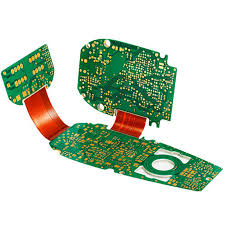
What is pick and place in circuit board assembly?
Before the nozzles begin picking and placing, the board is loaded with solder paste by a feeder system. This feeder system can take component reels or tubes, and it can even have multiple heads for grabbing different sizes of components simultaneously. Depending on the type of component, the nozzles may be able to grab eight or more pieces at one time. The machine then uses a camera to photograph fiducial marks on the circuit board. These optical targets are etched into the copper layers of the PCB and allow the machine to track and adjust for thermal expansion, shear, and other factors that affect the location of components on the board.
After the pick and place machine has placed all of the surface-mount components, it’s ready for the next step of the assembly process: reflow. The reflow process is the final stage in which the solder paste adheres the surface-mount components to the board. This allows for a reliable, high-quality board that’s fully functional after its completion.
Traditionally, this was a manual process that involved using a pair of tweezers to insert and solder the component leads through holes drilled in the board. While this technique works well for a handful of components, it becomes labor-intensive when working with hundreds or thousands of individual surface-mount components. The pick and place machine automates this tedious, error-prone process, reducing costs and the amount of time required to assemble a full circuit board.